
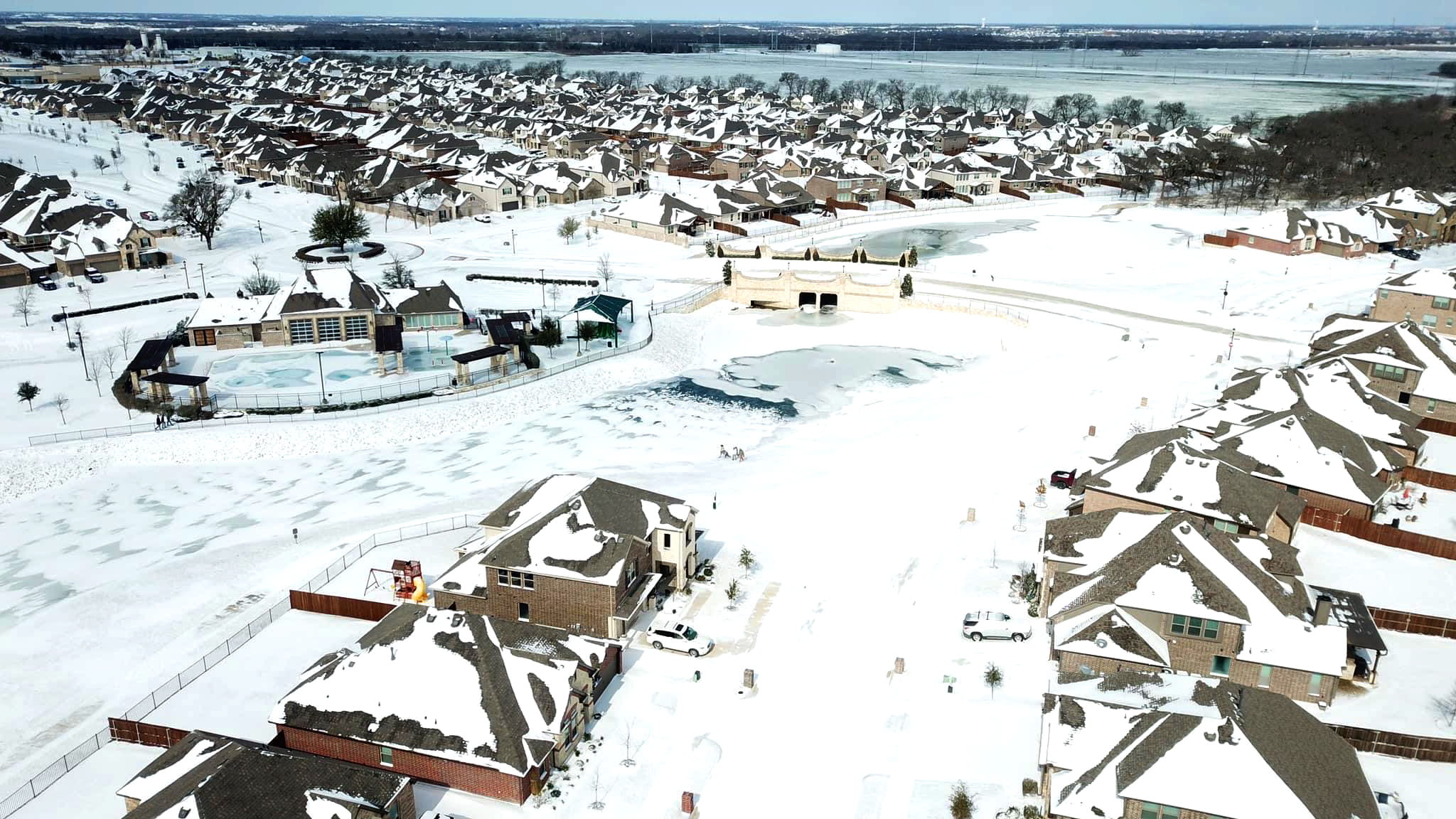
Ice and snow don’t always cause obvious damage right away. In fact, many roofing and water-related issues show up days later, during the thaw-and-refreeze cycle. As temperatures rise and moisture begins to move, small vulnerabilities in your home can quickly turn into costly problems.
This guide explains what water damage looks like, where it commonly appears, and what to do if you spot warning signs.
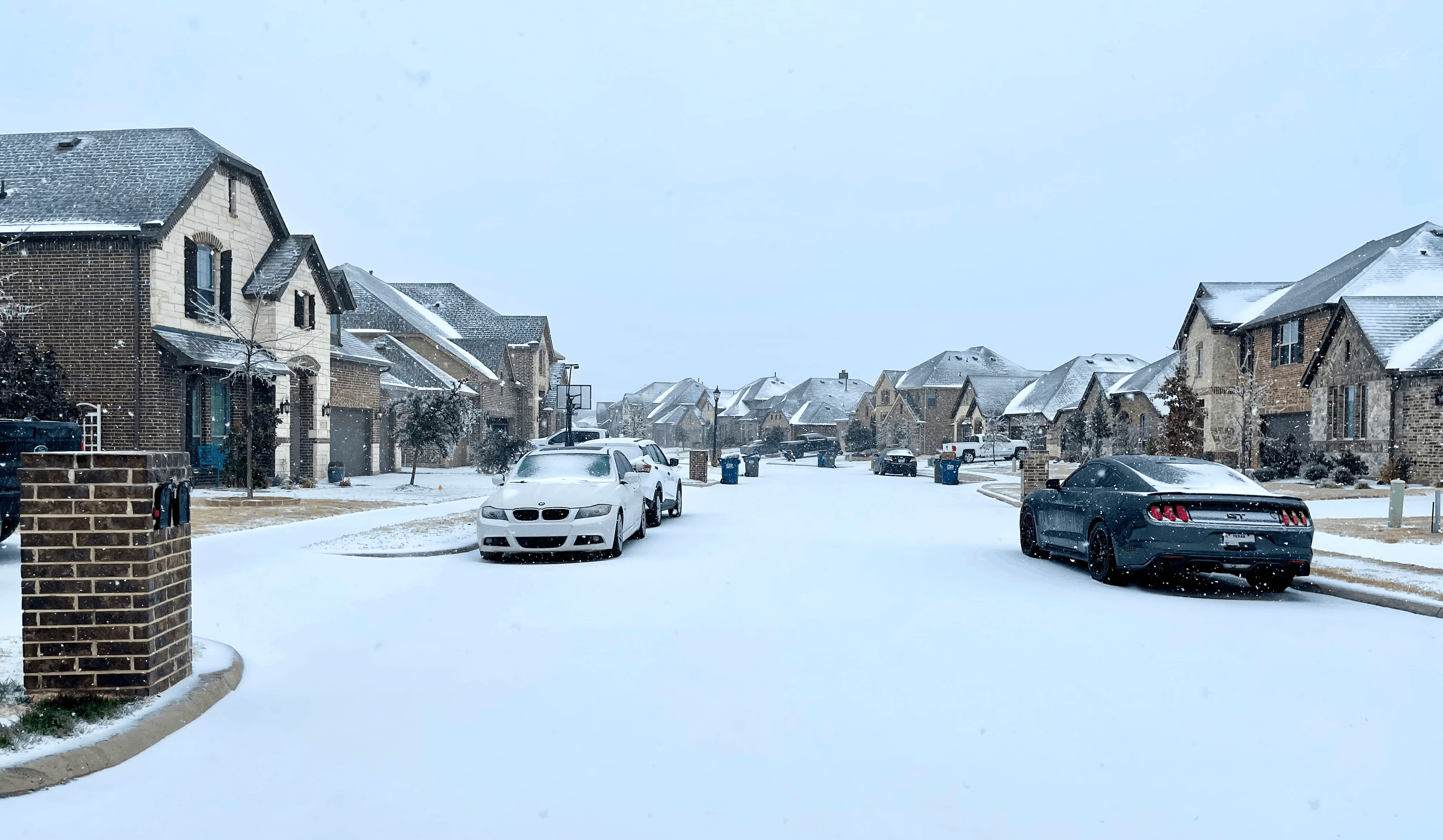
Why Freeze–Thaw Cycles Are Hard on Homes
When snow and ice melt during warmer daytime temperatures, water can seep into tiny cracks around shingles, flashing, vents, and gutters. When temperatures drop again overnight, that trapped moisture freezes and expands. Over time, this expansion can:
- Lift shingles
- Separate flashing
- Crack sealants
- Force water under roofing materials
The result is often hidden water intrusion that becomes visible only after the storm has passed.
Common Signs of Water Damage to Watch For
1. Ceiling or Wall Discoloration
- Yellow, brown, or dark water stains
- Soft or sagging drywall
- Bubbling or peeling paint
These are often early signs of slow leaks forming above living spaces.
2. Dripping or Overflowing Gutters
- Water spilling over gutter edges
- Icicles forming where water shouldn’t collect
- Gutters pulling away from the home
Clogged or damaged gutters prevent proper drainage, allowing water to back up under the roofline.
3. Attic Moisture or Odors
If you safely access your attic, look for:
- Damp insulation
- Darkened wood or rafters
- Musty smells
Moisture trapped in attic spaces can lead to mold growth and structural deterioration if left unaddressed.
4. Shingles That Look Shifted or Loose
- Curling or lifted shingles
- Missing or cracked shingles
- Exposed nail heads
Ice buildup and high winds can weaken shingle adhesion, allowing water to penetrate beneath the surface.
5. Soffit, Fascia, or Trim Damage
- Peeling paint
- Warped or soft wood
- Water streaks along exterior trim
These areas often reveal drainage issues before interior damage becomes visible.
What to Do If You Notice Signs of Water Damage
- Document what you see: Take photos or videos of stains, leaks, or exterior damage.
- Avoid temporary fixes that could trap moisture (such as sealing without drying).
- Schedule a professional roof inspection to identify the source of the issue.
Early detection can prevent:
- Mold growth
- Structural wood rot
- Insulation damage
- Costly interior repairs
Why Professional Inspections Matter After Winter Weather
Water damage is not always where it appears. Leaks can travel along rafters or insulation before becoming visible inside your home. A professional inspection checks:
- Roofing materials
- Flashing and penetrations
- Gutters and drainage paths
- Decking and underlayment
This ensures problems are addressed at the source, not just where symptoms show up.
We’re Here to Help
VIP General Contractors provides professional roof inspections and repairs for homeowners across North Texas. If your home experienced ice, snow, or repeated freezing temperatures, an inspection can provide peace of mind and help prevent future damage.
Serving Melissa, McKinney, Frisco, Dallas, and surrounding areas.
📞 Call 469-847-0085 or visit our website to schedule an inspection.
This article is intended for general homeowner education and does not replace a professional inspection.